Short answer
Bhubaneswar, often called the Temple City, is best explored over one to two days covering the Lingaraj Temple, the Khandagiri-Udayagiri rock-cut caves and the Dhauli Shanti Stupa, all within the city or its immediate outskirts.
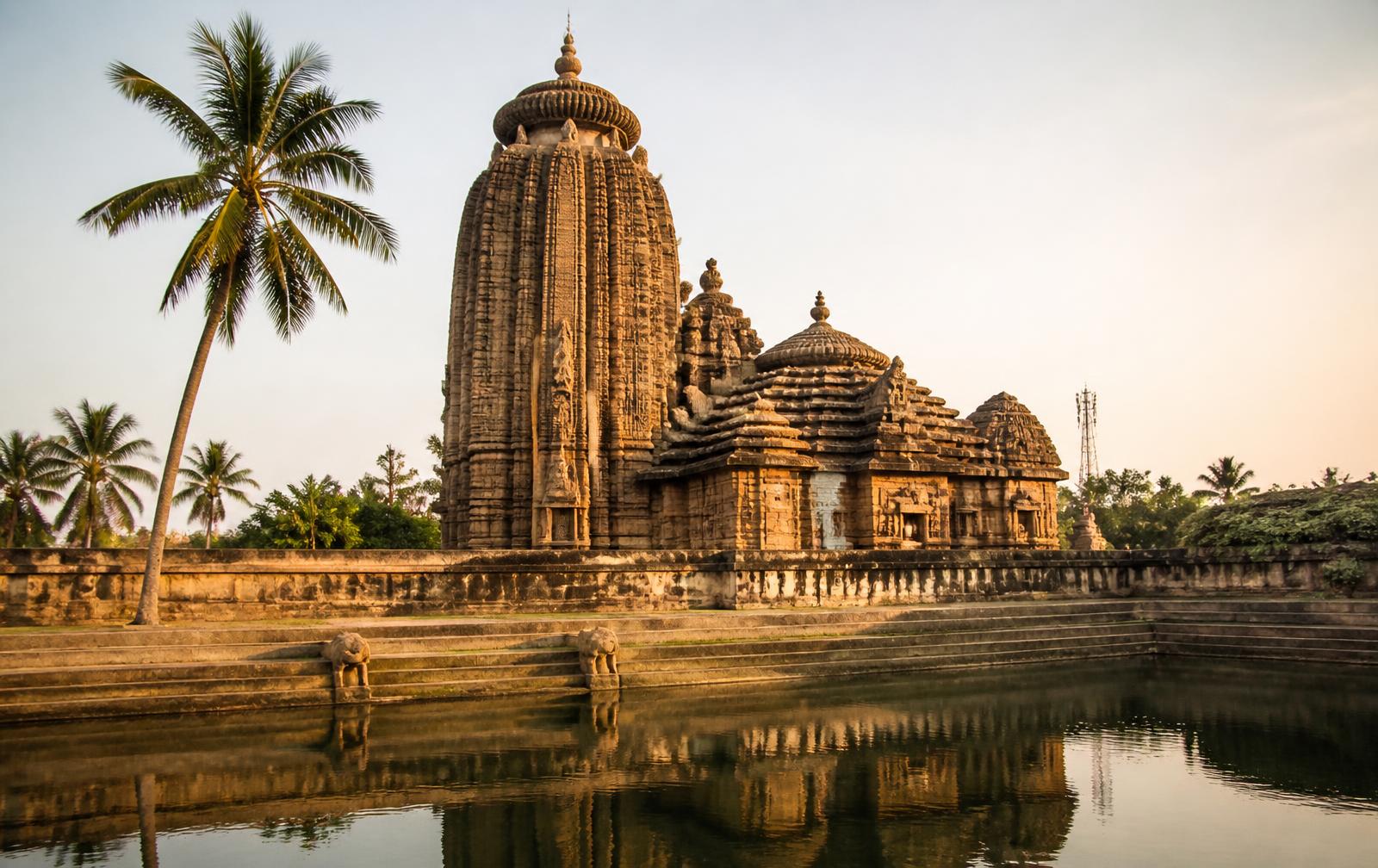
Lingaraj Temple
Dating to around the 11th century, this active Shiva temple is Bhubaneswar's largest and most significant; as with the Jagannath Temple in Puri, entry to the inner precinct is restricted to Hindus, with a viewing platform available to other visitors.
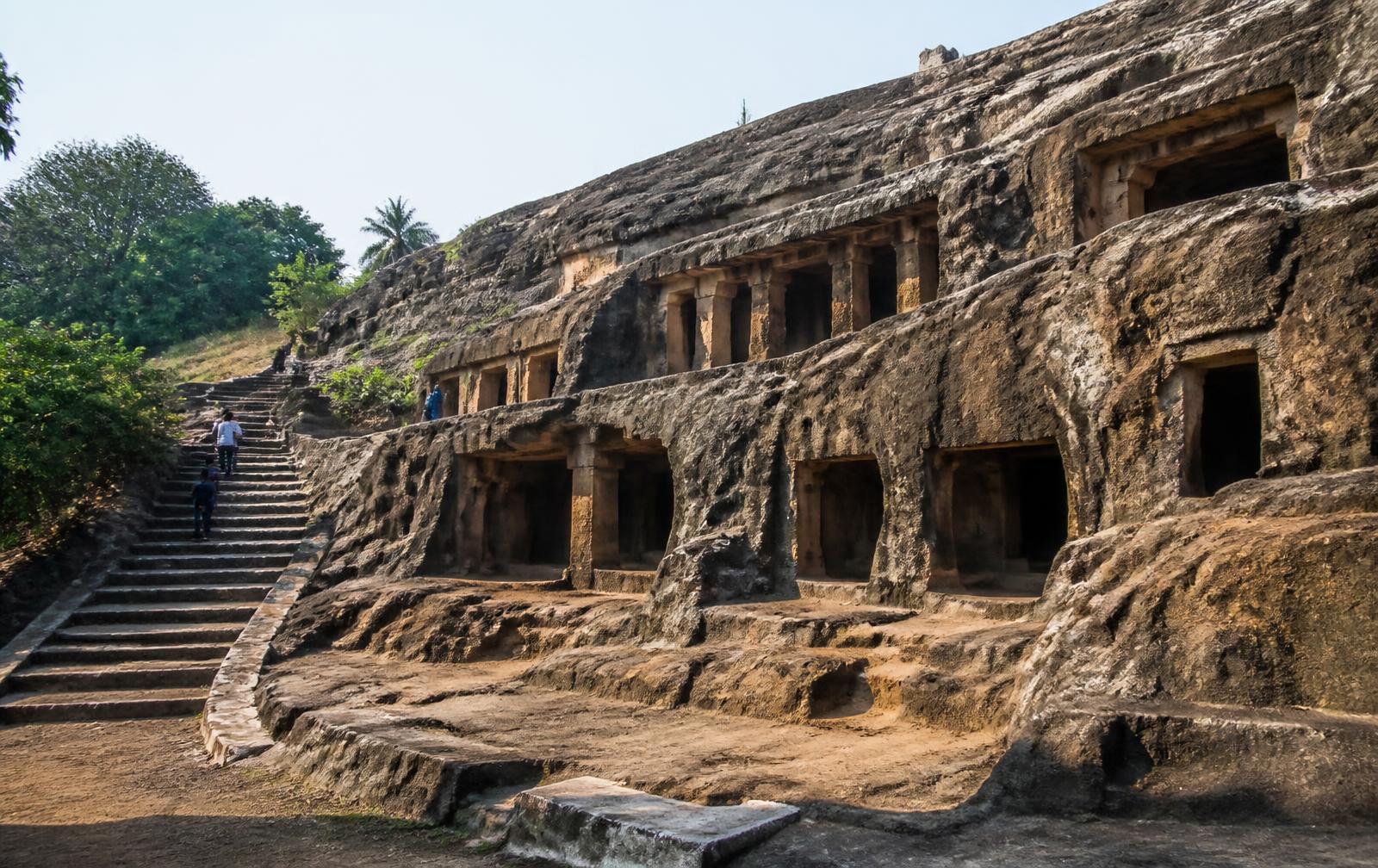
Khandagiri and Udayagiri Caves
These twin hills of rock-cut chambers date to the 1st-2nd century BCE and were carved for Jain ascetics; Udayagiri's Rani Gumpha is the most elaborate of the caves and worth the climb.
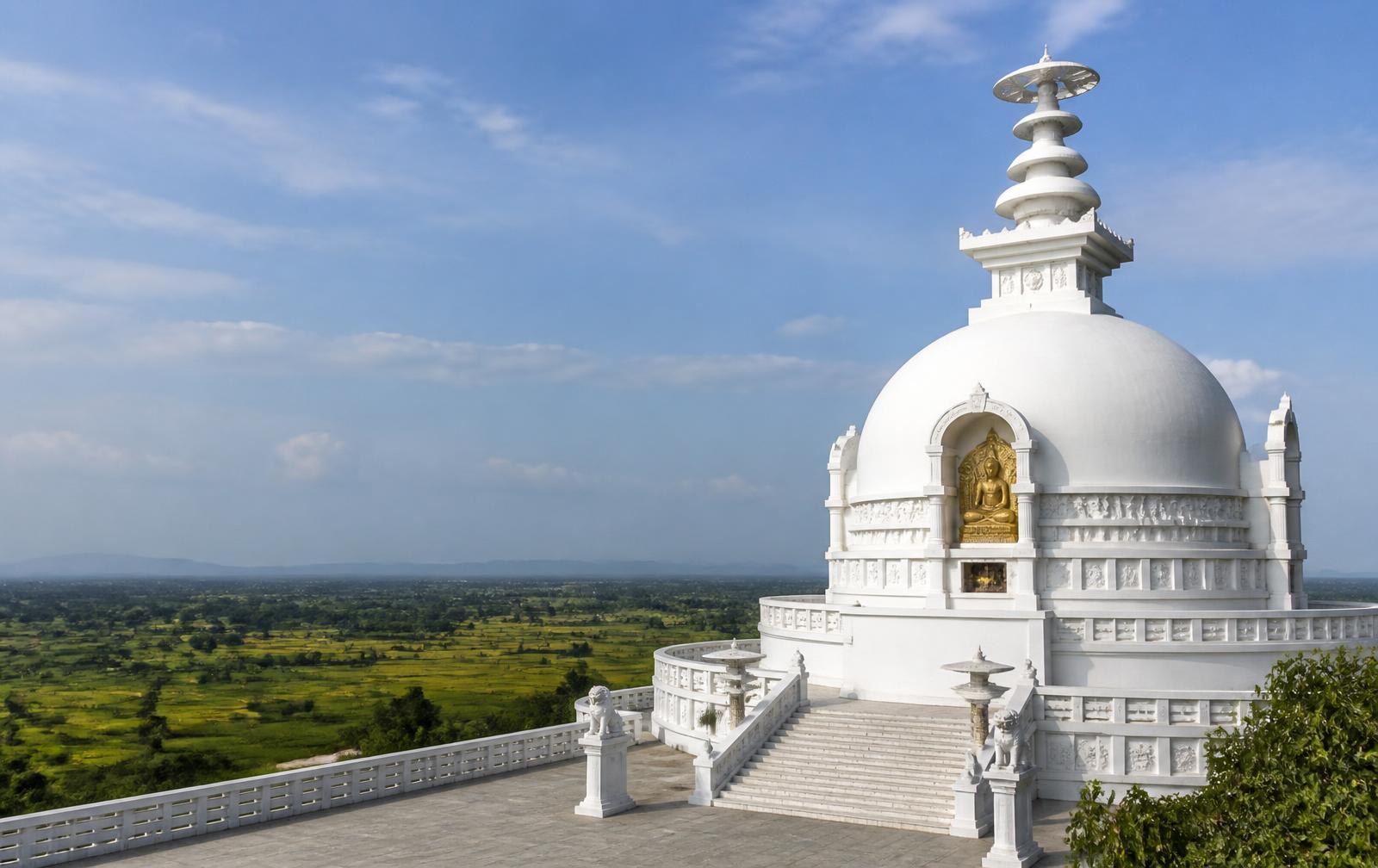
Dhauli Shanti Stupa
Built on the site associated with the Kalinga War, the peace pagoda overlooks the Daya River and marks the spot linked to Emperor Ashoka's conversion to Buddhism after the war.
Getting around the city
Bhubaneswar's sites are spread across the city rather than clustered in one walkable zone, so hiring a car for the day is more practical than relying on autos between every stop.
Day trips from Bhubaneswar
Nandankanan Zoological Park and Raghurajpur's pattachitra painters' village both make feasible half-day additions if time allows beyond the core temple circuit.